Décryptage Printemps-été : Éco-innovation
En février 2026, Première Vision a choisi de placer les savoir-faire au cœur de son édition, un thème ancré dans les enjeux de durabilité. Au delà du geste, le savoir-faire incarne un niveau d’expertise, de maîtrise et d’exigence qui, à l’échelle industrielle, permet de garantir la qualité et la longévité des produits, mais aussi leur recyclabilité et l’innocuité des procédés employés. De la filature au tissage, des teintures aux finissages, chaque étape du cycle de vie du produit repose sur une compétence précise et sur le savoir-faire d’un partenaire. C’est précisément ce modèle, fondé sur l’excellence à chaque maillon, que l’industrie cherche à atteindre aujourd’hui, afin de réduire ses impacts environnementaux et sociaux, et tendre vers une filière circulaire et durable.
Matières premières : agir à la source
Le choix des fibres constitue un premier levier stratégique majeur, permettant de répondre simultanément à plusieurs enjeux : il contribue à diversifier les sources d’approvisionnement, afin de limiter
la surexploitation concentrée de certaines ressources, et de renforcer la résilience face aux incertitudes de gisements, il accompagne la réduction progressive de la dépendance aux ressources fossiles vierges, il favorise enfin le développement de pratiques responsables et traçables.
Du côté des fibres issues de l’agriculture, le coton, matière clé de la filière textile, représentant aujourd’hui presque 20% de la production mondiale de fibres, illustre ces enjeux. Parmi les solutions, les cotons biologiques traçables, appuyés par des certifications reconnues comme GOTS, garantissent des pratiques agricoles plus responsables et une meilleure maîtrise des impacts environnementaux et sociaux. Parallèlement, l’agriculture régénérative progresse sur le marché. Au-delà de la réduction des impacts négatifs, ces pratiques restaurent les sols, améliorent leur capacité de rétention d’eau et de captation du carbone, contribuant ainsi également, à long terme, à renforcer la résilience des chaînes d’approvisionnement face aux crises climatiques et aux évolutions réglementaires.
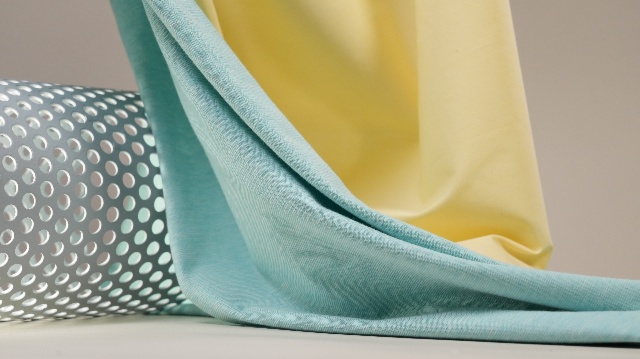 Cotonea - DE |
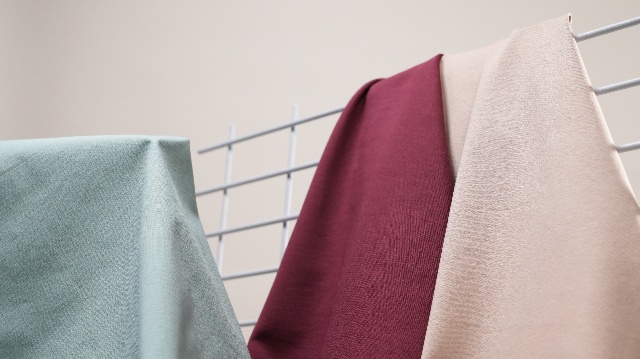 Sharabati Denim - TR / Positive materials - PT |
D’autres fibres végétales, telles que le lin et le chanvre européens ou encore la ramie, offrent également des performances environnementales notables, tout en participant à la diversification des ressources. Un projet européen est d’ailleurs en cours sur le chanvre « Hemp 4 Circularity » sur le développement de chanvre fibre longue.
Au-delà des fibres issues de l’agriculture, les fibres artificielles cellulosiques issues de la filière forestière, comme les viscoses ou le lyocell, soulèvent des enjeux majeurs liés à la déforestation. Des certifications comme FSC, ainsi que des fibres certifiées telles que TENCEL™ Lyocell, apportent aujourd’hui des garanties concrètes sur la gestion durable des ressources forestières. Une piste particulièrement intéressante pour les fibres cellulosiques réside dans la valorisation de co-produits agroalimentaires (résidus de cultures, comme la banane ou l’ananas) qui, intégrés à des viscoses ou lyocell, permettent ainsi de réduire la pression sur les ressources vierges.
Les fibres synthétiques représentent aujourd’hui près de 69 % de la production mondiale de fibres. Face à ce constat, l’enjeu est ici de réduire progressivement la dépendance aux ressources fossiles vierges, en accélérant le recours à des alternatives circulaires ou biosourcées. Parmi elles, les polymères de type PLA, partiellement ou totalement biosourcées constituent une piste intéressante. Certains PLA s’inscrivent également dans des logiques circulaires, comme les fibres PlaX™ ou NOOSA® PLA, recyclables sans détérioration de la fibre. Dans cette même dynamique, des alternatives à l’élasthanne conventionnel, comme Sorona®, offrent une élasticité mécanique performante tout en intégrant une part de ressources renouvelables.
Enfin, les biotechnologies ouvrent la voie à une nouvelle génération de fibres développées par fermentation de micro-organismes. SPIBER, acteur pionnier sur le sujet, illustre le potentiel de ces innovations en poursuivant le développement de partenariats, aussi bien dans les segments outdoor que dans le luxe.
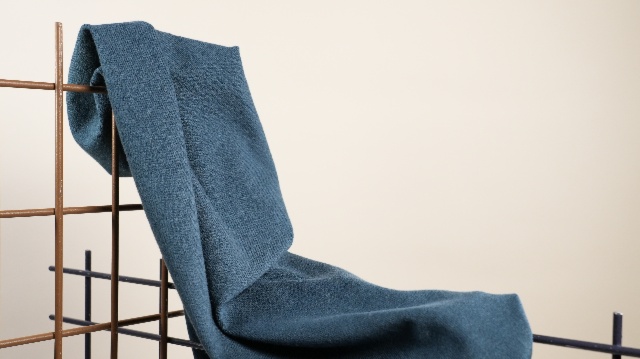 SPIBER Brewed Protein™: Inovafil - PT SPIBER Brewed Protein™: Inovafil - PT
|
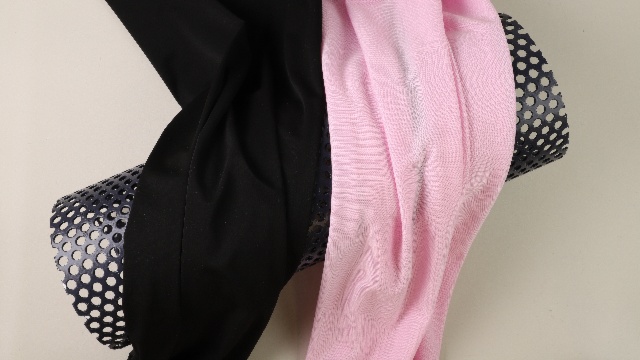 NOOSA® PLA: Acatel Innovation Hub - PT / Casa Da Mahla - PT NOOSA® PLA: Acatel Innovation Hub - PT / Casa Da Mahla - PT |
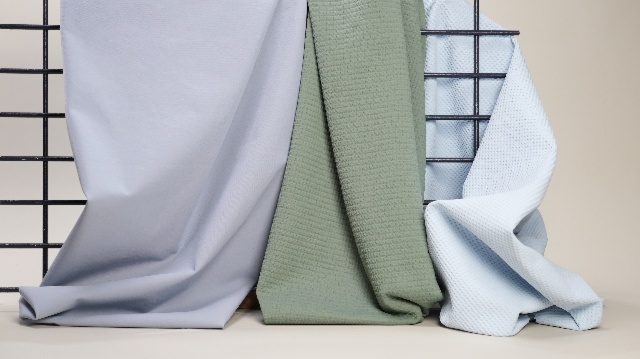 Sorona® : Dynamo - TR / Fujian Unitex Technology - CN / Zhejiang Ruyifan Textile - CN Sorona® : Dynamo - TR / Fujian Unitex Technology - CN / Zhejiang Ruyifan Textile - CN
|
Transformer, entre performance et responsabilité
À chaque étape de transformation textile, des solutions émergent, pour favoriser la durabilité des produits, réduire les impacts sociaux et environnementaux et anticiper leur fin de vie. Sur la teinture et l’impression, étapes historiquement très impactantes, de nouvelles voies se dessinent : teintures et auxiliaires de traitement biosourcés, pigments issus de déchets ou de procédés biotechnologiques, ou technologies émergentes réduisant significativement la consommation d’eau et d’énergie.
Les finissages concentrent également des enjeux majeurs en matière d’impact chimique. Un sujet d’autant plus actuel que les vêtements techniques, autrefois réservés à des usages spécifiques comme le sport ou l’outdoor, se sont largement diffusés dans le vestiaire quotidien. Ces vêtements mobilisent souvent des traitements de performance qui posent la question des substances utilisées. Sur ce point, des alternatives se développent, avec des solutions déperlentes sans PFC, comme la technologie Sofiguard Green de Sofileta, ou encore des finissages à base de cires naturelles, pour des propriétés déperlentes ou windproof.
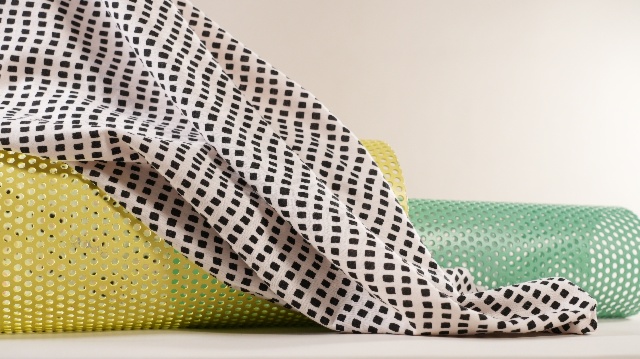 BioBlack TX™ : Acatel Innovtion Hub - PT BioBlack TX™ : Acatel Innovtion Hub - PT
|
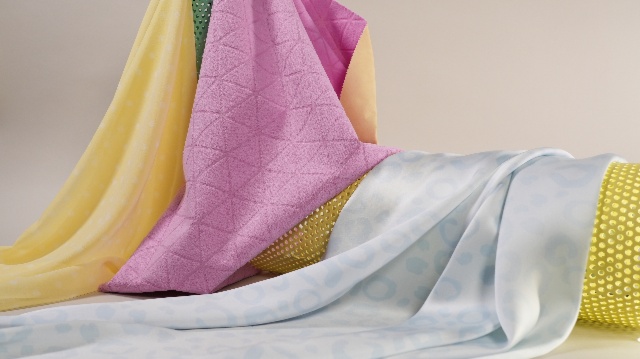 Colorifix : Acatel Innovation Hub - PT / Positive Materials - PT Colorifix : Acatel Innovation Hub - PT / Positive Materials - PT
|
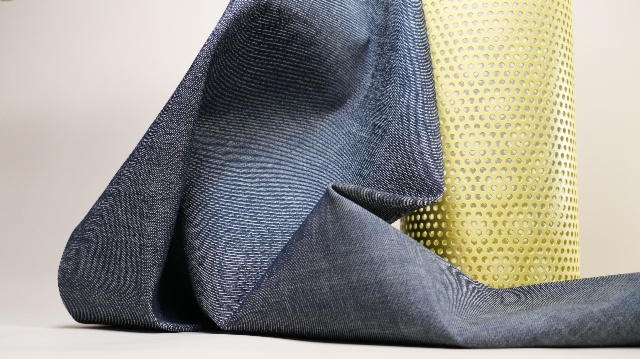 Dypro™ : Calik Denim - TR Dypro™ : Calik Denim - TR
|
Fin de vie, vers des boucles fermées textile à textile
Enfin, la fin de vie du produit constitue un enjeu clé de la durabilité. Le recyclage textile progresse aujourd’hui à travers des voies complémentaires. Le recyclage mécanique des fibres naturelles, notamment le coton et la laine, se développe, avec des acteurs comme Weturn, qui transforme invendus et déchets textiles en matière de haute qualité, traçables et produites en Europe. Parallèlement, le recyclage chimique des textiles riches en cellulose, un secteur actuellement très dynamique, permet la production de viscoses ou de lyocells 100 % issus de déchets de coton pré- ou post-consommation, sans recours à la pulpe de bois, comme les tissus Circulose®.
Du côté des fibres synthétiques, l’enjeu est ici d’atteindre de véritables boucles fermées textile à textile. Bien que seules 2 % des fibres mondiales proviennent aujourd’hui du recyclage textile, le secteur progresse, avec des solutions comme Ynviron, Yarnback chez Antex, ou encore Earth Protex, dont la technologie de recyclage thermomécanique Tex2Tex permet d’obtenir des polyesters 100 % recyclés textile à textile, avec un toucher coton.
Enfin, des technologies de nouvelle génération, comme Cycora®, s’attaquent au recyclage des mélanges complexes, y compris avec élasthanne, grâce à des procédés de régénération moléculaire. De nouvelles avancées qui ouvrent des perspectives concrètes pour des cas jusqu’ici difficiles à traiter.
Ces innovations s’accompagnent d’un principe fondamental. L’éco-conception demeure la première condition de la recyclabilité et de la circularité. Penser la fin de vie dès la conception, choisir des matières, des procédés et des finissages compatibles avec les filières existantes, demeure au cœur des démarches écoresponsables.
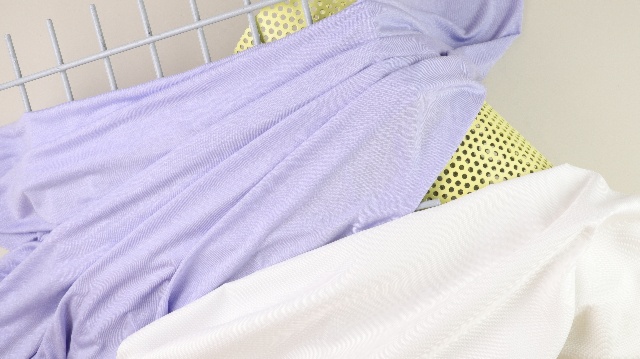 CIRCULOSE® : Verne et Clet - FR / Vilartex - PT CIRCULOSE® : Verne et Clet - FR / Vilartex - PT
|
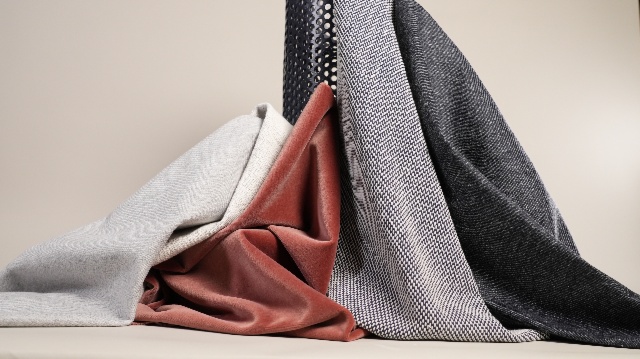 Weturn - FR / Telatex - FR / Toko Shoji - JP Weturn - FR / Telatex - FR / Toko Shoji - JP
|
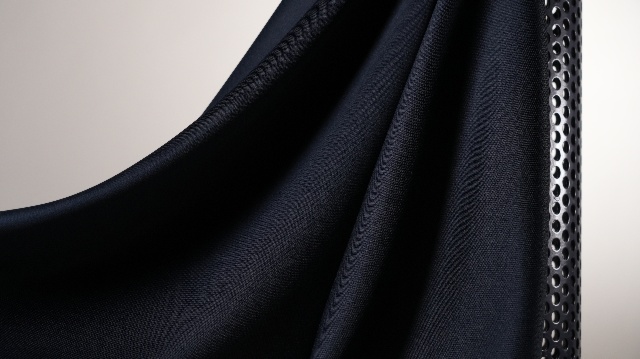 CYCORA® : Youngtex - KR CYCORA® : Youngtex - KR
|
Mais au-delà encore de la recyclabilité, l’objectif premier de l’industrie textile reste la durabilité. La solidité, la qualité et la longévité des produits sont aujourd’hui des prérequis, critères essentiels pour limiter la surconsommation et réduire les impacts globaux de la filière.